
When to call
- Burners that won't light, or click without catching.
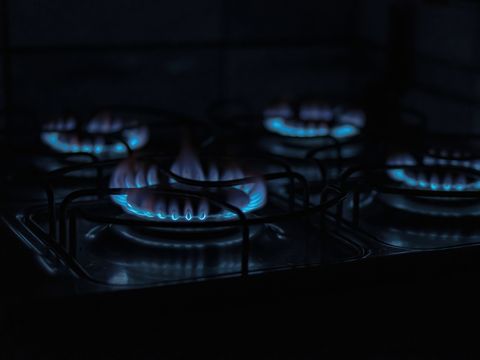
- Flames that are yellow or lift off the burner.
- A smell of gas at the cooktop when it's off.
- A kitchen renovation, or a new cooktop waiting in its box.
- Moving from an electric cooktop to gas.
Swap or new spot?
A straight swap uses the gas point that's already there, so the work is mostly at the bench. Putting a cooktop somewhere new, such as an island bench, means running gas pipe to it, often under the floor.
Check the cut-out before you buy. A cooktop that's a different size from the old hole may mean recutting the bench, which is a job for a cabinet maker or stonemason, not the gas fitter. A cooktop with electric ignition also needs a power point nearby, and that's a job for an electrician.
What a gas fitter will do
A gas fitter will confirm the cooktop is set for your gas, natural gas or LPG, and convert it if the maker allows. They disconnect the old one, connect the new one with the right fitting, leak-test the connection, then light each burner on high and low to check the flame.
They'll also check the clearances in the maker's instructions, such as the gap to the rangehood and to nearby walls.
What changes the job
How far the cooktop sits from an existing gas point, and whether the floor is timber or a slab. Whether the cooktop matches your gas type. Whether the bench or rangehood needs changing. And if an electric cooktop is coming out, gas may be reaching that part of the kitchen for the first time.
Before the gas fitter comes
You can
- Measure the old cut-out and check it against the new cooktop's specifications.
- Check the gas type on the box or data plate before you buy.
- Book an electrician for the power point if the cooktop needs one.
- Clear the cupboard under the bench so the fitter can reach the gas point.
Leave to a licensed plumber
- Disconnecting the old cooktop and connecting the new one.
- Extending or moving the gas pipe.
- Converting the cooktop between LPG and natural gas.
- Testing for leaks and setting the burners.
Rules for cooktops
Connecting gas is licensed gas work, however small the job. NSW makes that explicit: gasfitting is specialist work, and a contractor licence is needed "regardless of its cost". Check the gas fitter's licence on your state's register before the day.
In Victoria, the Government's 2025 announcement says "There are no changes to gas cooking in existing homes." Victorian homes built new from 1 January 2027 will be all electric. In the ACT, a home already on the gas network keeps its connection, though new connections have been blocked since 8 December 2023.
Questions to ask the gas fitter
- Is this cooktop set for natural gas or LPG?
- Can it go on the existing gas point, or does the pipe need extending?
- What clearance does it need from the rangehood?
- Will you light every burner and show me the flames before you leave?
- What paperwork will I get?

What we would do
Buy the cooktop after you've checked the cut-out and the gas type, not before. A model that's the wrong size, or set for the wrong gas, can stall the job on the day. Then book a licensed gas fitter for the connection, an electrician for the power point if it needs one, and get them to agree on a date.