
When to book one
- You've moved into a home and don't know when the gas was last looked at.
- A heater or cooktop has gone years without a service.
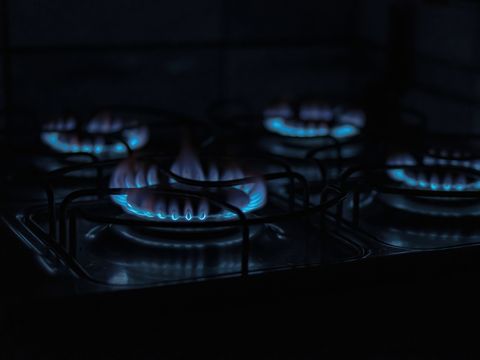
- Flames burn yellow or orange, or there's soot on a heater.
- People get headaches or feel drowsy when a heater is on.
- You rent a home out: check what your state's tenancy rules ask of landlords.
- Renovation work has gone near gas pipes.
What a gas fitter will check
The whole gas line
A pressure test from the meter shows whether gas is escaping anywhere in the pipes, before any single appliance is looked at.
Each appliance
Burners, flames, controls and safety devices on the heater, cooktop, oven and hot water system.
Air and flues
Whether each appliance gets enough air, whether its flue carries fumes outside, and whether a heater's fumes spill back into the room.
Hoses, bayonets and bottles
Flexible hoses, bayonet fittings and, for LPG, the bottles and regulator.
A written result
What passed, what needs work, and how urgent each item is.
Compliance certificates and reports
Get the result of a safety check in writing, with each appliance listed. New gas work, such as connecting an appliance or running new pipe, may also need a certificate from the gas fitter; which work needs one, and who it's lodged with, depends on your state.
Ask before the visit what you'll get: a report, a certificate, or both. Keep copies with your house papers. Our guide to compliance certificates explains why they matter when you sell or insure.
What changes the job
How many gas appliances you have, how easy they are to reach, and how old they are. Flued heaters, wall furnaces and ducted gas heating take longer than a cooktop. Anything that fails means a repair or a replacement, which is a separate job you can get quoted.
Getting ready for the check
You can
- List every gas appliance and roughly how old it is.
- Clear access to the meter, the heaters and the hot water system.
- Note any smell, soot or flame colour you've seen, and when.
- Think about a carbon monoxide alarm near gas heaters for an early warning.
Leave to a licensed plumber
- Pressure-testing the gas installation.
- Adjusting, cleaning or repairing burners and controls.
- Flue and ventilation work.
- Disconnecting an appliance that isn't safe to use.
Check the gas fitter's licence
The register tells you more than the business card. NSW's public register shows a licence's categories and expiry date, any conditions on it, and any cancellation or suspension. The ACT's register shows whether a licence is current, expired, suspended, surrendered or cancelled, with any disciplinary action under its Details tab.
For your state, see how to check a licence, and make sure the licence is for gas work as well as plumbing.
Questions to ask the gas fitter
- What will you test, and what's not included?
- Will I get a written report, a certificate, or both?
- Which items need work, and which are urgent?
- Is this heater safe to keep using tonight?

What we would do
If you can't remember the last time someone looked at your gas heater, book a check before you light it for winter. Ask for the result in writing, appliance by appliance, so you know what needs doing now and what can wait. A licensed gas fitter who does safety checks regularly will also tell you plainly when an old heater is worth retiring.