
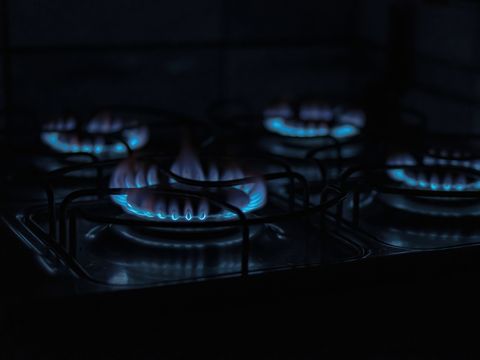
If you can smell gas
Get people out first. Avoid switches and naked flames, and turn the gas off at the cylinder or meter only if it's safe to reach. Call your gas supplier's emergency line once you're outside, and don't use the appliance again until a gas fitter has checked it.
Cairns things a gas fitter will ask about
Which gas you're on
Cairns isn't on the Queensland Government's list of places with a natural gas distribution network. Check whether your appliances run on LPG cylinders or a mains supply before you buy anything new.
Flood and storm exposure
Cairns Aero's wettest day on record brought 402.8 mm, and the station averages 21.5 days a year with 25 mm or more. Cylinders, regulators and outdoor appliances sit right in that weather.
Gas you may not control
15.7% of occupied homes in the Cairns council area were flats or apartments at the 2021 Census. Some unit blocks run bulk hot water from a central boiler, usually gas, owned by the body corporate or an energy retailer.
After a flood: the Queensland rule
Once floodwater has reached a gas installation, the installation and its appliances must be inspected by a licensed gasfitter before anyone uses them. Don't remove or repair gas pipework yourself during the clean-up, however tempting.
If the network operator or LPG supplier finds the gas setup on your property unsafe, it will stop the supply. The owner then hires and pays a licensed gasfitter to test and repair it. Ask the fitter for a gas system compliance certificate when the work is done; the supplier may want to see it before reconnecting you.
Natural gas and LPG need different burners
Queensland homes use either piped natural gas or LPG, usually in bottles, and appliances are built with different burners for each. They can be converted, but all conversions and installations must be done by a licensed gasfitter.
Moving from a city with mains gas? Check any appliance you bring with you before it's connected. Our page on LPG conversions explains what's involved.
Checking a gas fitter's licence
Everyone doing gas work in Queensland needs the right gas work licence or gas work authorisation, and each type limits what work the holder may do. Search current holders on the RSHQ Portal; no account is needed.
The business also needs a QBCC gasfitting licence if it supervises or carries out gasfitting, in addition to the occupational licence from the Chief Gas Examiner and Resources Safety and Health Queensland. Ask to see the gas work licence at the door; the Queensland Government suggests exactly that.
Jobs to book a gas fitter for
- Installing, moving or replacing a gas cooktop, oven, heater or hot water system.
- Converting an appliance between LPG and natural gas.
- A gas safety check, especially after flooding or storm damage.
- A smell of gas near the cylinders, meter or an appliance.
- Capping or disconnecting gas when you change to electric appliances.
Looking after LPG cylinders
Each cylinder has a test date stamped on its base or neck, valid for 10 years. Don't use one that's out of date, corroded or damaged, and never try to repair or remove its valve yourself. Keep cylinders upright, and away from heat and direct sun where you can.

What we would do
If water has been through the house, leave the gas off and book a licensed gas fitter to inspect before anything is relit, then keep the compliance certificate. For a new appliance, confirm if the house is on LPG or mains gas first and buy to suit. In a unit block, ask the body corporate what gas equipment it owns before booking work on it. And check the fitter's gas work licence on the RSHQ Portal before work starts.