
Why people convert
You've moved, and the cooktop or heater you brought is set for the other gas. Natural gas has reached your street and you want to stop changing bottles. Or a barbecue or cooktop bought online arrived set for the wrong gas.
It can go the other way too: a home with no mains gas can run its appliances on LPG bottles.
Signs an appliance is on the wrong gas
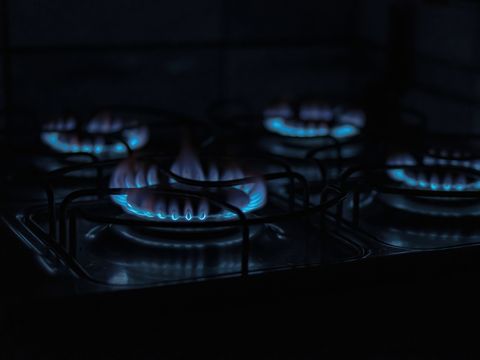
- Tall, yellow or lifting flames.
- Soot on pots, or on the appliance itself.
- Burners that won't stay alight, or that roar.
- A data plate that names a different gas from the one you have.
What a gas fitter will do
A gas fitter will first check that the maker offers a conversion for that model. Not every appliance can be converted, and older ones may have no parts left. Where it can be done, they fit the maker's kit, usually new injectors and a different regulator setting, then test it and relabel the appliance so the next person knows which gas it's set for.
For a home moving to or from bottles, the gas fitter also looks after the regulator and the pipe between the bottles and the house.
What changes the job
How many appliances need converting, and whether kits exist for each. Their age and condition, since an old heater may not be worth converting. Whether the pipes and regulator suit the new gas. And for natural gas, whether a network connection is possible where you live.
Before you book
You can
- Find each appliance's data plate and note the model and gas type.
- Look up whether the maker sells a conversion kit for it.
- Ask your LPG supplier how bottle delivery and changeover work.
- Keep the old parts and paperwork the gas fitter leaves you.
Leave to a licensed plumber
- Converting any appliance between LPG and natural gas.
- Fitting or adjusting a gas regulator.
- Connecting bottles to the house pipework.
- Testing and relabelling a converted appliance.
Licences, and where LPG stands
Conversions are licensed gas work. The ACT has a separate "LPG gasfitter" licence class alongside its general gasfitter classes, so ask the fitter whether their licence covers LPG, and check it on your state's register.
In Victoria, the Government's 2025 announcement said "The use of LPG for households or business is also unchanged." In the ACT, new gas network connections have been prevented since 8 December 2023, so a home running on bottles there can't switch to mains gas.
Questions to ask the gas fitter
- Is there a conversion kit from the maker for this model?
- Will you relabel the appliance for the new gas?
- Do my other appliances need converting too?
- Does your licence cover LPG work?
- Is this appliance worth converting, or should I replace it?

What we would do
Check the data plate and the maker's conversion kit before you book anything, and before you buy a second-hand appliance. If no kit exists, no gas fitter should convert it, and an appliance running on the wrong gas is a safety problem, not a saving. Then book a licensed gas fitter whose licence covers the gas you're switching to.