
What this covers, and what it does not
This page is about the plumbing inside a bathroom, kitchen or laundry renovation: moving or adding fixtures, running new water and waste pipes, connecting the new fittings, and the paperwork at the end. It also covers like-for-like swaps such as a new vanity on the same pipes.
PlumbMatch does not arrange whole renovations. If a builder is running the project, their plumber will usually handle this. If you are managing the trades yourself, you need a plumber who is used to working around a waterproofer and a tiler.
Where the plumber fits into a renovation
Plan the layout with the plumber
Before anything comes out, walk through where each fixture will go. The position of the existing waste pipes decides how easily a toilet, shower or basin can move.
Strip-out and capping
The plumber disconnects the old fixtures and caps the pipes so the rest of the house still has water while the room is gutted.
Rough-in
New water and waste pipes are run in the walls and floor to the exact heights and positions your chosen fixtures need. This is why the plumber wants your tapware, toilet and vanity picked before this visit.
Other trades
Waterproofing, sheeting and tiling happen next. A plumber is not usually on site for these, but the outlets must be protected and left where the tiler expects them.
Fit-off
The plumber returns to fit the toilet, basin, taps, shower mixer and head, connect the appliances and test everything for leaks.
Paperwork
Depending on your state and the work done, the plumber lodges a certificate or registers the work, and you get a copy. See the rules below.
When to bring a plumber in
- You are planning to move a toilet, shower, basin or kitchen sink.
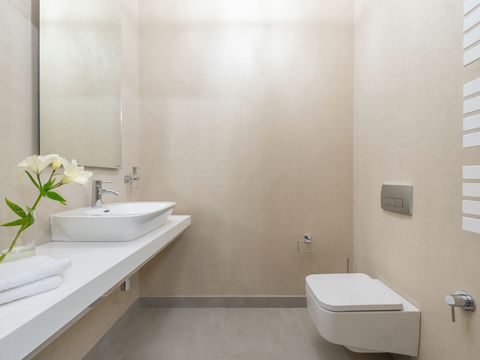
- You want a wall-hung toilet, an in-wall mixer or a freestanding bath.
- The laundry is moving, or the washing machine needs a new position.
- Walls are coming off and you want old pipes checked while they are exposed.
- Your builder or kitchen supplier has asked you to organise your own plumber.
What changes the job
Moving a toilet is the big one, because its waste pipe is wide and must fall towards the sewer. On a concrete slab, that can mean cutting the slab; on a raised timber floor, the plumber can usually work from underneath. An upstairs bathroom adds ceilings below to protect.
Wall-hung toilets need a concealed cistern and frame in the wall cavity, and in-wall mixers need their bodies set at the right depth for the finished tiles. A long run from the hot water system to a new bathroom means a longer wait for hot water at the tap. Old galvanised or patched pipes found when the walls open may be worth replacing while access is easy.
Your part and the plumber's part
You can
- Choose fixtures early and give the plumber the installation sheets, so rough-in heights match.
- Mark where you want each fixture on the floor and walls before the first visit.
- Agree who orders the tapware and fittings, and who is responsible if something arrives wrong.
- Queensland and Western Australia let homeowners do a few small jobs, such as replacing a shower head. Renovation pipework goes well beyond those examples; see what you can do yourself.
Leave to a licensed plumber
- Every pipe that goes into a wall or floor.
- Connecting fixtures to the sewer.
- Moving or adding fixtures, and capping off old ones.
- Gas to a kitchen cooktop, which needs a gas fitter: see gas cooktops.
Notices and certificates by state
NSW: a Notice of Work, describing the plumbing and drainage work, is lodged before work starts. The state lists "bathroom renovations where fixture locations are unchanged" among the minor works that need no notice. Moving fixtures takes you outside that example, so ask the plumber what they will lodge. At the end, a Certificate of Compliance is lodged, and the plumber must "Provide a copy to the person that has arranged the work".
Queensland: plumbing that counts as notifiable work must be registered with the QBCC within 10 business days of the plumber issuing an invoice. You get a copy within 20 business days of it being registered.
Western Australia: for major work, the plumber gives notice at least 24 hours before starting. A certificate of compliance follows within 5 working days of finishing, with a copy to the owner or occupier.
Victoria: only licensed plumbers can issue compliance certificates. If a gas hot water system is in the way, the Premier's announcement of the 2027 gas hot water rule says gas systems can be "temporarily removed and reinstalled during renovations".
South Australia: an electronic certificate of compliance goes to the customer within 7 days, and covered work includes sanitary plumbing and drainage.
Other states have their own process. Our compliance certificate guide covers what we could confirm.
Hot water at the new fixtures
Showers, baths and basins are fixtures used for personal hygiene, so hot water delivered to them is capped at 50°C. Kitchen and laundry taps are not covered by that limit. If your renovation includes a new hot water system, whether a tempering valve is required depends on your state; see tempering valves.
Questions to ask the plumber
- Will you do both the rough-in and the fit-off?
- Can the toilet or shower move where I want it, given where the waste pipes run?
- What do you need from me before rough-in: models, heights, installation sheets?
- How will you work with the waterproofer and tiler?
- What will you lodge for this job in our state, and when do I get my copy?

What we would do
Get the plumber in before demolition, not after. Half an hour walking the room with them will tell you which layout changes are easy and which mean cutting a slab. Pick your fixtures before rough-in so nothing has to be moved later. And keep the certificate or registration copy with your house papers, because a future buyer may ask for it. A plumber who does renovation work regularly will know how to sequence around the other trades.