
Find the fault before you call
Take the lid off
Lift the cistern lid and rest it somewhere flat and soft. Inside there are two main parts: the inlet valve on the side where the water pipe comes in, and the outlet valve in the middle that lifts when you press the button.
Look at the water level
If water is spilling into the overflow tube, the inlet valve is not closing. The fix is on the filling side.
Try the colour test
If the level sits below the overflow but water still trickles into the bowl, add a few drops of food colouring to the cistern and do not flush. Come back in half an hour. Coloured water in the bowl means the outlet seal is leaking.
Listen for refills
A cistern that tops itself up every so often, with nobody using it, is losing water past the outlet seal. Plumbers sometimes call it a phantom flush.
Turn it off if you need to
Close the stop tap on the pipe into the cistern. You can still flush once by hand, then refill with the tap when you need it.
Inlet side or outlet side
| What you see | Usual cause | |
|---|---|---|
| Inlet valve | Water running into the overflow tube, hissing while the cistern stays full | A worn float valve washer, a stuck float, or a valve that is failing |
| Outlet valve | Coloured water in the bowl, or refills with nobody flushing | A worn or warped seal at the base of the cistern, or a mechanism sitting crooked |
What a plumber will do
A plumber will confirm which side is at fault, then decide between a washer and a whole new valve. On older cisterns, a full inlet or outlet valve is often the more reliable job than a single rubber part, because the plastic around it has aged too.
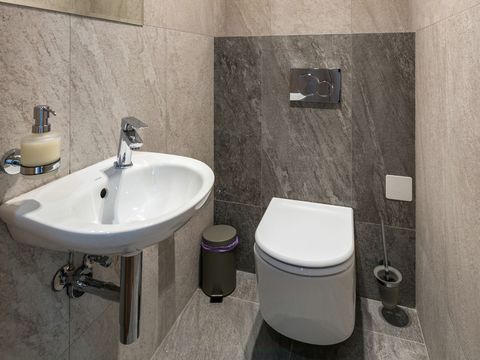
Concealed cisterns behind a wall are reached through the button plate. Parts are brand-specific, so the plumber will want the make and, if you can find it, the model before the visit.
If you are fixing it often, or the cistern itself is cracked, the plumber will talk you through a new cistern or a full suite. Our toilet repairs page covers that choice.
Which cistern repairs you may do yourself
You can
- Queensland: the QBCC guide treats a new drop valve washer, float valve washer or suction cup rubber in a cistern as unregulated work. You need no licence or approval, but the work must still meet the minimum standards.
- Western Australia: Building and Energy's homeowner list includes swapping a cistern washer.
- Everywhere: lift the lid, check the float moves freely, and see whether the chain or lever is catching.
- Somewhere else? Rules differ by state. Read what you can do yourself before you take anything apart.
Leave to a licensed plumber
- Replacing a whole inlet or outlet valve, unless your state's list clearly covers it.
- The connection between the stop tap and the cistern.
- Concealed cisterns, where a mistake can leak inside the wall.
- A cracked cistern.
Licences and paperwork for a cistern repair
In Victoria, plumbers are either registered or licensed for each class of work. Both can do the work in their class, but only a licensed plumber can issue a compliance certificate.
In Western Australia, all plumbing outside the homeowner list "must be carried out by a licensed plumber or permit-holder". Paperwork rules differ by state and by job, so ask the plumber what, if anything, applies to a valve swap. Our compliance certificate guide has the detail.
Questions to ask the plumber
- Is it the inlet side, the outlet side, or both?
- Would you change the washer or the whole valve, and why?
- Do you carry parts for this brand of cistern?
- Is the cistern worth keeping, or is it near the end?

What we would do
Do the colour test first: all it takes is food colouring, and the answer tells the plumber what to bring. In Queensland or WA, try the washer yourself if you are comfortable. If the cistern is old, or it is a concealed one, we would get a plumber to fit a complete new valve rather than chase rubber parts. A plumber who does cisterns all the time will usually have the common valves in the van.