
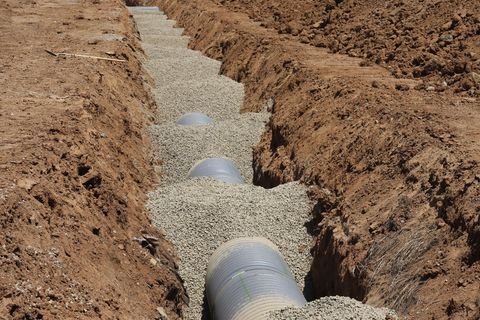
What a septic system does
Wastewater from toilets, showers, sinks and the laundry runs to a tank buried in the yard. Solids settle in the tank and break down, and the liquid flows on to a disposal area, such as trenches in the soil or an irrigation area, depending on the system.
Some systems add a treatment stage, with pumps and air, so the water leaving them is cleaner. Which type suits depends on your block, and on the approvals that apply where you live.
This page is about installing, replacing and connecting a system. Routine pump-outs are a separate service and aren't covered here.
Signs you need a new or replacement system
- You're building on a block with no sewer connection.
- You're adding bedrooms or people, and the old system already struggles.
- Wet, smelly or unusually green ground over the tank or disposal area.
- Every drain in the house runs slowly, even soon after a pump-out.
- Sewage backing up into the house, or seeping from around the tank.
What a plumber will do
Assess the site
Look at the soil, the slope, the space available and where the house drains come out.
Recommend a system
Suggest a type and size for your household and block, and explain the choice.
Sort out approvals
Tell you which approvals apply and who will apply for them, before any digging starts.
Install and connect
Dig in the tank, lay the drains from the house, and build the disposal area.
Test and hand over
Test the system, give you the paperwork, and show you what it needs from you.
What changes the job
- Soil and rock: some ground soaks up water well, and some barely at all.
- Slope and space, which decide where the tank and disposal area can go.
- How many people the system has to serve.
- Access for an excavator and a truck.
- Whether an old tank has to be decommissioned or removed first.
- How far the house is from a workable tank site, and whether bores, creeks or dams are nearby.
Approvals: ask before you dig
Approval rules for septic systems weren't among the rules we could confirm for this page, so we won't guess at them here.
Before you commit to a design, ask your council what applies to your block. Then ask the plumber to put in writing which approvals they will handle, and which are up to you.
What you can do, and what to leave
You can
- Find any plans showing the old tank and disposal area.
- Keep cars and heavy machinery off the tank and the disposal area.
- Ask your council about approvals before collecting quotes.
- Gather records of past pump-outs or repairs, which help the plumber judge the old system.
Leave to a licensed plumber
- Designing and sizing the system.
- Laying drains and installing the tank.
- Building the trenches or irrigation area.
- Connecting, testing and the compliance paperwork.
Licences and paperwork
Septic installation is drainage work, and some states license drainage separately. WA has a tradesperson's licence for drainage plumbing. Queensland's QBCC keeps an "Occupational plumber and drainer register" you can search before you sign.
In SA, the list of work needing an electronic certificate of compliance includes sanitary plumbing and drainage, and you should have the certificate within 7 days of the work being completed.
For your state's register, see how to check a plumber's licence.
Questions to ask the installer
- What type of system do you recommend for this block, and why?
- Which approvals are needed, and who applies for them?
- What happens to the old tank?
- What upkeep will the new system need from me?
- Which compliance certificate will I get, and when?

What we would do
Talk to your council before you talk price. Once you know what your block needs approved, have a drain specialist who installs septic systems walk the site with you and explain, in plain words, the system they'd choose. A system matched to the soil is the one that keeps working.