
If sewage is overflowing, start here
Stop adding water
No flushing, no showers, no washing machine. Every litre you run has to go somewhere.
Check the gully outside
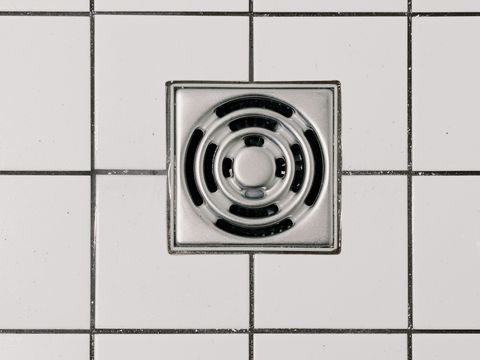
Find your overflow relief gully, the grated outlet usually near the laundry. If it, or the inspection opening, is holding liquid or overflowing, ring Urban Utilities' 24/7 faults line.
Ask the neighbours
If several properties have sewer trouble at once, the problem is probably in the public sewer. Urban Utilities wants a call straight away in that case too.
Inside the house?
Ring your insurer, or your property manager if you rent. Urban Utilities says it can't enter homes or clean up inside.
Leave the clearing to a licensed plumber
Urban Utilities asks owners not to clear a sewer blockage themselves. Council lists unblocking sanitary drainage as minor work, which needs a licensed plumber but no permit.
Why Brisbane drains block
Roots come first
Urban Utilities names tree roots as the number one cause of sewer blockages, and says roots often grow back into the same pipe. It suggests keeping figs, bottlebrushes and paperbarks away from sewer lines.
Older homes and the gully
Homes built before 1976 may have no overflow relief gully, or an older disconnector gully instead. Without one, a blocked sewer is more likely to back up indoors. A licensed plumber can fit or convert one.
Storms push water into the sewer
In heavy rain, stormwater gets into the sewer through wrong connections, low gullies and cracked pipes. Urban Utilities uses smoke testing to find where, and asks owners to keep roof and driveway water out of the sewer.
Council keeps your drainage plan
Brisbane City Council sells copies of house drainage plans, which show the in-ground private sewer drains. They don't show stormwater or water supply pipes.
When the blockage is in Urban Utilities' sewer
Urban Utilities looks after the sewer from your property's connection point onwards, and that point can sit beyond your fence. If your plumber traces the blockage there, either of you can ring Urban Utilities and ask for an officer to inspect. Plumbers can't work on its pipes without a Network Access Permit.
If you've already paid a plumber, you can still lodge a claim for reasonable costs. Send Urban Utilities the paid invoice, the plumber's report and the details in writing. You lodge it yourself, because a plumber can't apply for you. Each claim gets a liability investigation, and digging done without Urban Utilities' prior approval isn't covered.
Stormwater drains are separate
A blocked downpipe or yard drain is a stormwater problem, not a sewer one. Brisbane City Council maintains stormwater drains past the boundary, and you can report a blocked street drain or grate to it. On your land, keeping the stormwater pipes and the outlet to the point of discharge clear is your job. See our stormwater page.
What you can do, and what needs a plumber
You can
- Keep the overflow relief gully grate loose, clean and clear of pot plants and garden beds. Cleaning a ground-level grate over a trap is on the QBCC's list of unregulated work.
- Put a strainer in the kitchen sink, and flush only toilet paper.
- Check that no downpipe or tank overflow is pointed at the gully.
Leave to a licensed plumber
- Clearing the blockage, and a camera inspection to find roots or breaks.
- Fitting, raising or converting an overflow relief gully. Urban Utilities says only a licensed plumber should alter or install one.
- Finding and fixing stormwater connected to the sewer.
Questions to ask the drain plumber
- Where exactly was the blockage, and is it before or after my sewer connection point?
- Can I have the camera footage and a written report?
- If it's in Urban Utilities' pipe, will you call them out before doing more?
- Is my gully at the right height, and do I need a cap?

What we would do
Before anyone starts digging, find out where the blockage is. If your gully is overflowing or the street is affected, ring Urban Utilities first and let its crew check its side. If it's yours, get a drain specialist with a camera, keep the report and the paid invoice, and ask what caused it. In Brisbane, roots are the usual answer, and they come back unless the pipe or the planting changes.