
If sewage is coming up
Stop running water
No flushing, showers, dishwasher or washing machine. Everything you send down adds to the overflow.
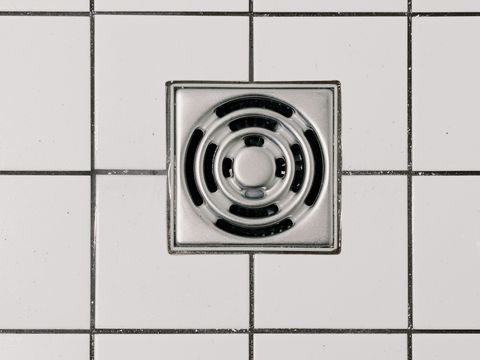
Find the overflow relief gully
It's the grated fitting outside, built so sewage spills there instead of through a floor drain inside. If it's overflowing, the blockage is further down the line.
Check the street
Sewage coming out of a maintenance hole in the street or a park is the City's to deal with, so report it to City of Gold Coast.
Book a drain specialist
If it's inside your fence, a plumber needs to find where the blockage is before anyone can say whose it is.
How blockages work on the Gold Coast
The City names the signs
Its sewer blockage page lists a toilet not flushing properly or overflowing, slow sinks, showers or baths, gurgling from the toilet or floor drains, and an overflowing inspection opening or gully.
Older homes may lack an inspection opening
They're a legal requirement in Queensland, but an older house without one near the sewer connection doesn't have to add one. Finding a blockage without that access point can take longer and cost more.
Rain finds its way into the sewer
When the City inspected about 4500 properties between 2020 and 2023, 16% had stormwater getting into the sewer. That extra water is the usual cause of overflows in heavy rain.
Finding out whose blockage it is
Your sewer runs from the house to a connection fitting, where it joins the City's pipe. The plumber works from your inspection opening, often with a drain camera, to see whether the blockage sits before or after that fitting. If the fitting can't be found, the City treats one metre inside your boundary as the dividing line.
If the fault is in the City's main, the plumber reports it to City of Gold Coast on the day they find it. The City may then repay the plumber's reasonable costs, typically one hour of labour and a quarter hour of camera and jet-rodding work, capped at $300 including GST. The plumber claims from the City rather than invoicing you.
The City won't pay for blockages reported on a later day, repeat visits, digging, work on your private sewer, or blockages caused by wet wipes, toys and other things that don't break down. If the blockage is on your side, the cost is yours.
When it only happens in the rain
A drain that copes on a dry day but overflows in a storm usually has stormwater getting in somewhere. City of Gold Coast says rainwater from roofs, lawns and paths belongs in a rainwater tank, the road kerb or a stormwater pit, never the sewer.
Check your gully. Its grate should be loose and uncovered, it should sit 75 mm above the surrounding ground and 150 mm below the lowest drain in the house, and it mustn't take rain, pool or tap water. If it does, the City suggests a licensed plumber fit a gully cap or rework the pipes. More on our overflow relief gully page.
Keeping it clear
The City's rule for toilets is water, sewage and toilet paper only. So-called flushable wipes, food scraps, and cooking oil, fat or milk all belong in the bin: pour liquids into a sealed container first. Our guide on how to unblock a drain covers one slow sink.
Ask the drain plumber
- Can you tell from the inspection opening whether the blockage is past the connection fitting?
- If it's in the City's main, will you report it today and claim from the City directly?
- Did you find roots, a broken pipe or a blockage I caused?
- Is any stormwater getting into my sewer, and is my gully at the right height?

What we would do
Clear the ground around your inspection opening and gully before the plumber arrives, so they can get straight to work. Ask them to check which side of the connection fitting the blockage sits before they start clearing. If it's the City's, the call needs to go in that day, and you shouldn't be billed for it. If it's yours and keeps coming back, a camera inspection can show why. A drain specialist who works the Gold Coast regularly will know the City's process.